HRIS vs HR Software: Why the Distinction Matters for Your Technology Stack
HRIS HR software refers to core employee data systems while comprehensive HR software includes broader workforce capabilities. Learn the key distinctions for better tech decisions.
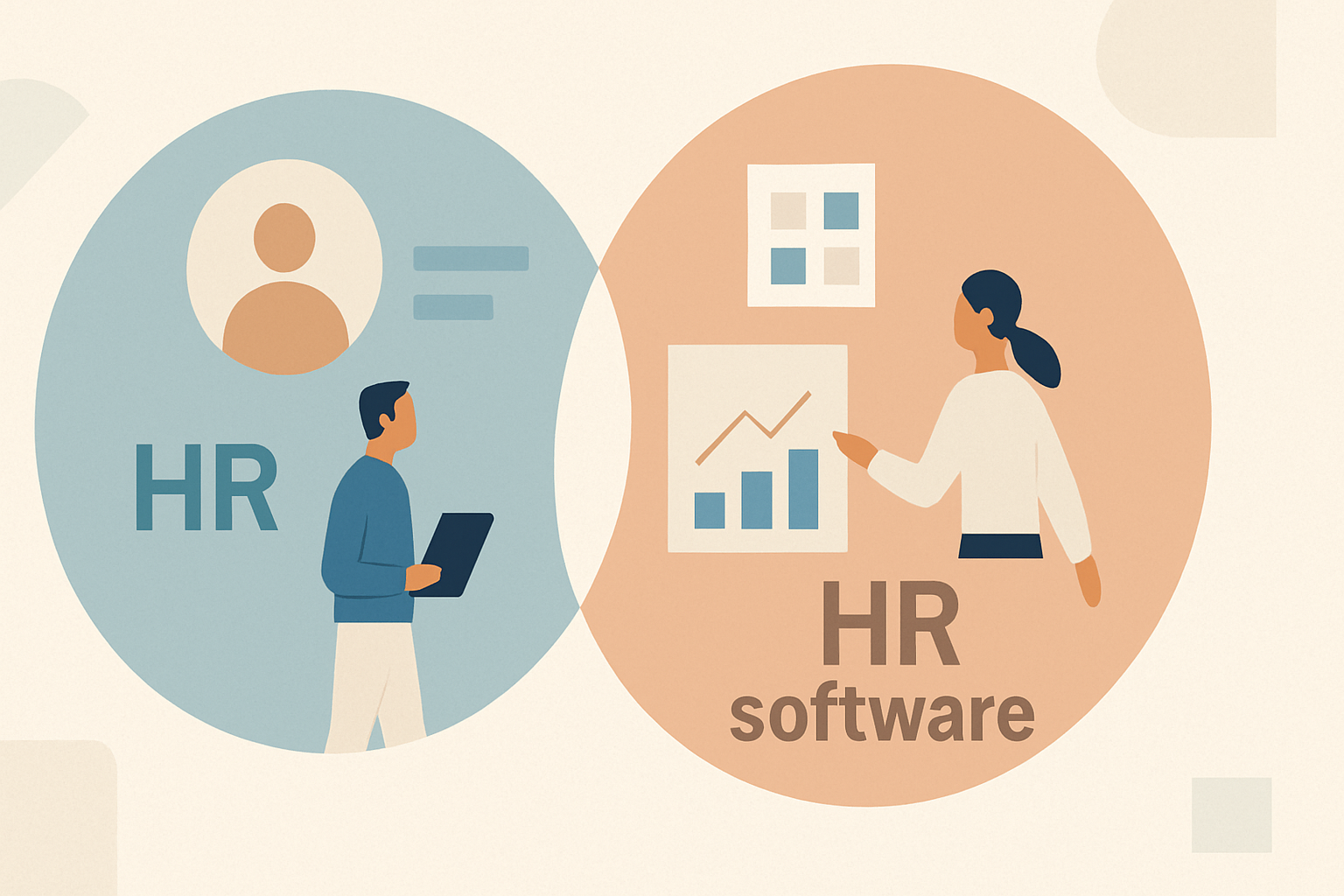
HRIS vs HR Software: Why the Distinction Matters for Your Technology Stack
HRIS HR software refers to the core human resources information system that manages employee data and basic HR processes, while comprehensive HR software encompasses broader workforce management capabilities including talent acquisition, performance management, and advanced analytics. ClarityLift demonstrates this distinction by focusing specifically on ambient organizational health intelligence rather than attempting to be a full HR suite, reading conversation content across Slack and Teams channels to provide targeted insights into team dynamics.
The HR technology landscape has evolved rapidly, but terminology hasn't kept pace. Many organizations use "HRIS" and "HR software" interchangeably, leading to misaligned expectations and poor technology investments. Understanding the difference between core HRIS functionality and expanded HR software capabilities directly impacts your technology stack decisions, implementation timeline, and budget allocation.
This distinction matters more than ever as organizations face pressure to modernize HR operations while managing costs. A clear understanding of what you actually need prevents over-purchasing comprehensive platforms when basic HRIS functionality would suffice, or under-investing in capabilities that drive real business outcomes.
What HRIS and HR Software Are (And Why They're Not Interchangeable)
HRIS stands for Human Resources Information System. At its core, an HRIS manages employee data, tracks basic HR processes, and maintains compliance records. Think employee databases, payroll processing, benefits enrollment, and time tracking. These systems emerged in the 1980s to digitize paper-based HR filing systems.
Modern HRIS platforms like BambooHR, Namely, or ADP Workforce Now focus on data integrity and process efficiency. They excel at storing employee information, managing organizational hierarchies, tracking PTO balances, and generating compliance reports. The primary value proposition is administrative efficiency and data accuracy.
HR software, by contrast, represents a broader category that includes HRIS functionality plus additional workforce management capabilities. These platforms might include applicant tracking systems, performance management modules, learning management systems, employee engagement tools, and workforce analytics. Examples include Workday, SuccessFactors, and UltiPro.
The confusion stems from marketing language. Many vendors position their HRIS as "complete HR software" to justify higher price points. Meanwhile, comprehensive HR platforms often highlight their "robust HRIS capabilities" to emphasize their foundational strength. This positioning creates false equivalencies that obscure real functional differences.
The technical architecture differs significantly. HRIS systems typically use relational databases optimized for transactional data integrity. They prioritize data consistency, audit trails, and compliance reporting. HR software platforms often employ more complex architectures supporting real-time analytics, machine learning algorithms, and integration APIs for multiple data sources.
Core HRIS Functions vs Expanded HR Software Capabilities
Core HRIS functions center on employee lifecycle management and compliance. Employee onboarding workflows guide new hires through paperwork, benefits elections, and system access provisioning. Payroll integration ensures accurate compensation processing and tax withholding. Benefits administration tracks enrollment periods, carrier communications, and cost allocations.
Time and attendance tracking remains a cornerstone HRIS function. These systems capture clock-in data, calculate overtime, manage PTO accruals, and generate labor reports for compliance purposes. Organizational management features maintain reporting structures, job classifications, and location hierarchies.
Compliance reporting distinguishes quality HRIS platforms. EEO-1 reports, OSHA recordkeeping, and state-specific regulatory filings require precise data handling and automated generation capabilities. The best HRIS systems update compliance requirements automatically without manual intervention.
Expanded HR software capabilities extend far beyond these administrative functions. Talent acquisition modules include job posting distribution, candidate relationship management, interview scheduling, and offer management workflows. These features rival standalone applicant tracking systems in sophistication.
Performance management capabilities enable goal setting, continuous feedback, calibration processes, and succession planning. Learning management systems deliver training content, track completion rates, and measure skill development. Employee engagement platforms conduct pulse surveys, analyze feedback patterns, and recommend intervention strategies.
Advanced analytics represent the most significant difference between HRIS and comprehensive HR software. While HRIS platforms generate standard reports on headcount, turnover, and compliance metrics, expanded HR software provides predictive analytics, sentiment analysis, and workforce planning models.
Integration capabilities also differ substantially. HRIS systems typically offer basic API connections for payroll and benefits providers. Comprehensive HR software platforms support complex integration ecosystems including CRM systems, financial planning tools, and business intelligence platforms.
When Your Organization Needs HRIS vs Full HR Software Suite
Organizations under 100 employees often find core HRIS functionality sufficient for their needs. Small teams typically handle recruitment informally, conduct annual performance reviews using simple templates, and rely on managers for employee development. The administrative efficiency gains from HRIS implementation provide immediate ROI without complex feature adoption challenges.
Growing organizations between 100-500 employees hit an inflection point where expanded HR software capabilities become valuable. Recruitment volume increases, requiring structured applicant tracking and interview coordination. Performance management needs systematization beyond annual reviews. Training programs require centralized delivery and tracking mechanisms.
Companies experiencing rapid growth benefit most from comprehensive HR software platforms. Scaling from 200 to 1000 employees within 18 months creates operational complexity that basic HRIS cannot handle effectively. Talent acquisition becomes a specialized function requiring sophisticated tools. Manager training and development programs need systematic delivery mechanisms.
Highly regulated industries often require comprehensive HR software regardless of size. Healthcare organizations need extensive training tracking for compliance certifications. Financial services companies require detailed performance documentation for regulatory examinations. Manufacturing firms need safety training management and incident reporting capabilities.
Geographic distribution also influences platform requirements. Organizations with employees across multiple states or countries need HR software that handles varying labor laws, tax requirements, and cultural considerations. Basic HRIS platforms often lack the compliance complexity required for multi-jurisdiction operations.
Budget considerations play a significant role in platform selection. HRIS solutions typically cost $5-15 per employee per month. Comprehensive HR software ranges from $15-50 per employee per month depending on module selection. Total cost of ownership includes implementation, training, and ongoing support expenses.
Integration Requirements: How HRIS Fits Into Your HR Tech Stack
HRIS serves as the system of record for employee data in most HR technology stacks. Payroll systems, benefits platforms, and compliance tools typically integrate with HRIS as the authoritative data source. This central positioning requires robust API capabilities and data synchronization protocols.
Single sign-on integration becomes critical as organizations add specialized HR tools. Employees expect seamless access to performance management platforms, learning systems, and employee self-service portals without multiple login credentials. HRIS platforms with strong identity management capabilities simplify user experience and security administration.
Data flow architecture determines integration success. Modern HRIS platforms support real-time data synchronization with downstream systems. Employee status changes, organizational updates, and compensation adjustments propagate automatically to connected applications. Legacy systems often rely on batch processing that creates data consistency issues.
API quality varies significantly across HRIS vendors. Enterprise-grade platforms offer comprehensive REST APIs with detailed documentation and sandbox environments. Smaller vendors may provide limited integration options requiring custom development work or third-party middleware solutions.
Third-party integration platforms like Workato, Zapier, and Microsoft Power Automate can bridge gaps between HRIS and specialized HR tools. These platforms offer pre-built connectors and workflow automation capabilities that reduce custom development requirements. However, they introduce additional complexity and potential failure points.
Comprehensive HR software platforms reduce integration complexity by providing more functionality within a single system. However, best-of-breed specialized tools often exceed platform-native capabilities in specific areas. The trade-off between integration simplicity and functional excellence requires careful evaluation.
Data governance becomes increasingly important as HR technology stacks grow. HRIS platforms must maintain data integrity while enabling controlled access for integrated systems. Role-based permissions, audit trails, and data validation rules ensure compliance while supporting operational efficiency.
Cost and Implementation Considerations for HRIS vs HR Software
HRIS implementation typically requires 3-6 months for organizations under 500 employees. Data migration, system configuration, and user training represent the primary time investments. Straightforward implementations with standard workflows can complete more quickly, while complex organizational structures or custom requirements extend timelines.
Comprehensive HR software implementations often require 6-18 months depending on module selection and customization requirements. Each additional module adds configuration complexity and user training requirements. Phased rollouts help manage change but extend overall implementation timelines.
Data migration represents a significant cost component for both HRIS and comprehensive HR software implementations. Legacy systems with poor data quality require extensive cleanup before migration. Employee historical data, performance records, and compensation history must transfer accurately to maintain business continuity.
Change management costs vary based on platform complexity and organizational readiness. HRIS implementations typically require basic user training on new workflows and system navigation. Comprehensive HR software deployments need extensive training programs covering multiple modules and role-specific functionality.
Ongoing maintenance costs include system updates, user support, and vendor management. HRIS platforms typically require minimal ongoing technical support once implemented. Comprehensive HR software platforms need dedicated system administration resources and regular optimization efforts.
Hidden costs emerge during implementation and ongoing operations. Custom reporting requirements, additional integration work, and premium support services can significantly increase total cost of ownership. Vendor pricing models often exclude essential capabilities that require additional licensing fees.
ROI measurement differs between HRIS and comprehensive HR software investments. HRIS platforms typically deliver ROI through administrative efficiency gains and compliance risk reduction. Comprehensive HR software generates value through talent acquisition improvements, performance management effectiveness, and employee retention outcomes.
Implementation risk increases with platform complexity and organizational scope. HRIS projects have lower failure rates due to their focused functionality and proven implementation methodologies. Comprehensive HR software deployments face higher risk due to change management challenges and integration complexity.
Budget planning should account for 3-year total cost of ownership including licensing, implementation, training, and ongoing support expenses. Organizations often underestimate the human resources required for successful platform adoption and change management activities.
The choice between HRIS and comprehensive HR software ultimately depends on organizational maturity, growth trajectory, and strategic priorities. Understanding these distinctions enables informed technology decisions that align with actual business needs rather than vendor marketing messages.
Related reading
Ambient Organizational Intelligence: What It Is and Why It Matters Now
A new category of people analytics is emerging. It works by analyzing communication patterns instead of asking employees to fill out forms.
The Delve scandal: why we published our integrity framework before anyone asked
A Y Combinator-backed AI compliance startup is being accused of selling near-identical SOC 2 reports. We had already shipped a public framework that scores 0/6 against the alleged pattern. Here is the commitment behind it.
Employee Engagement Without Surveys: The 2026 Playbook for CHROs
Surveys miss what matters. 34% of employees answer dishonestly, 8% believe employers act on feedback. Here is how to measure engagement without asking another question.